Digital Marketing Trends in 2026: What Businesses Need to Know
AI Is Changing How People Search
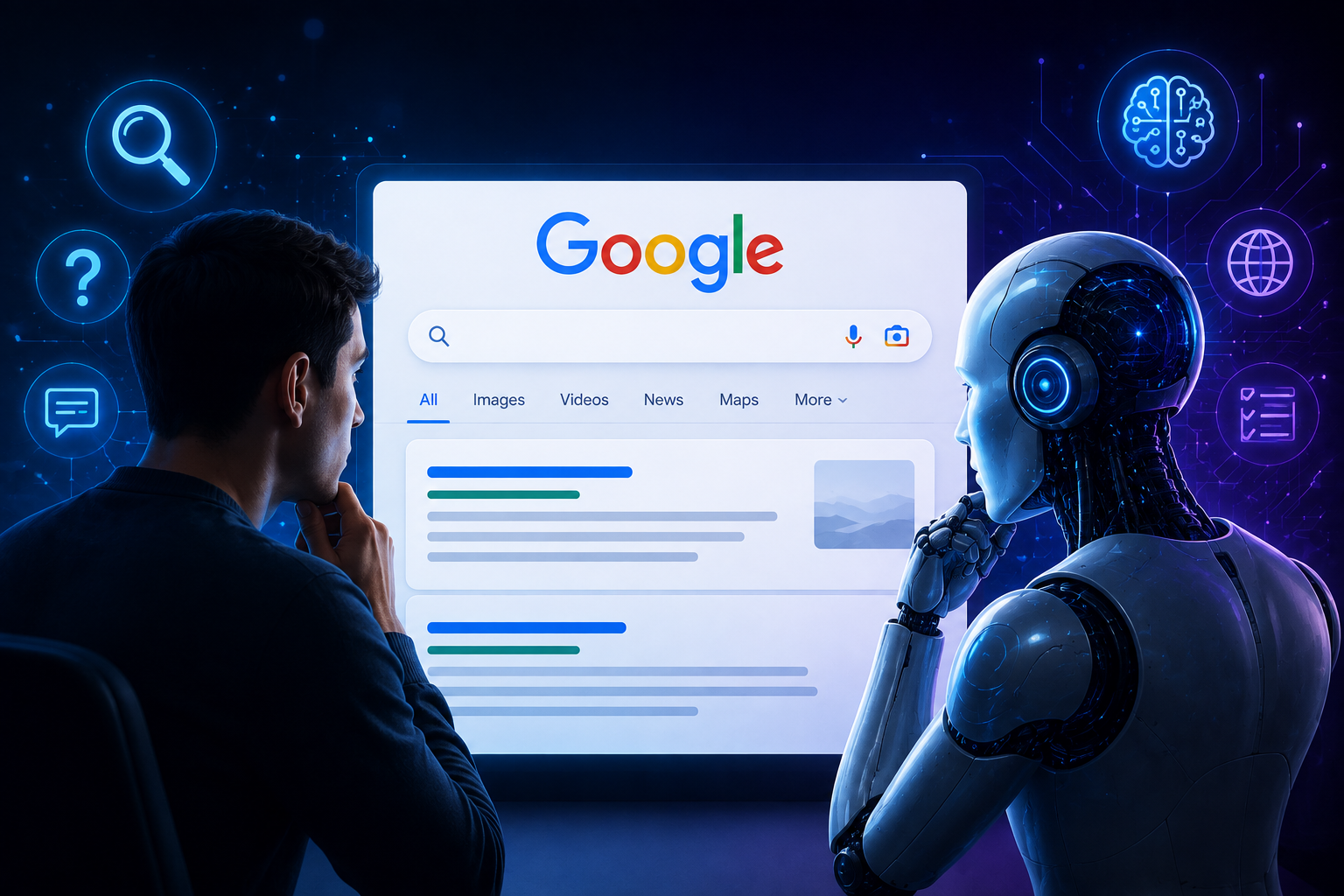
Search behaviour is also changing significantly. Google is expanding AI-powered experiences such as AI Overviews and AI Mode, allowing users to ask longer and more conversational questions. Google says AI Mode has surpassed one billion monthly users, while AI-powered Search is creating new ways for people to discover information and websites.Because of this change, traditional SEO is evolving. Businesses should not focus only on ranking for individual keywords. Instead, they should create useful, trustworthy and well-structured content that can answer real questions. This approach can improve visibility across traditional search results as well as emerging AI-powered search experiences.
Search Engine Optimization Is Becoming More Conversational
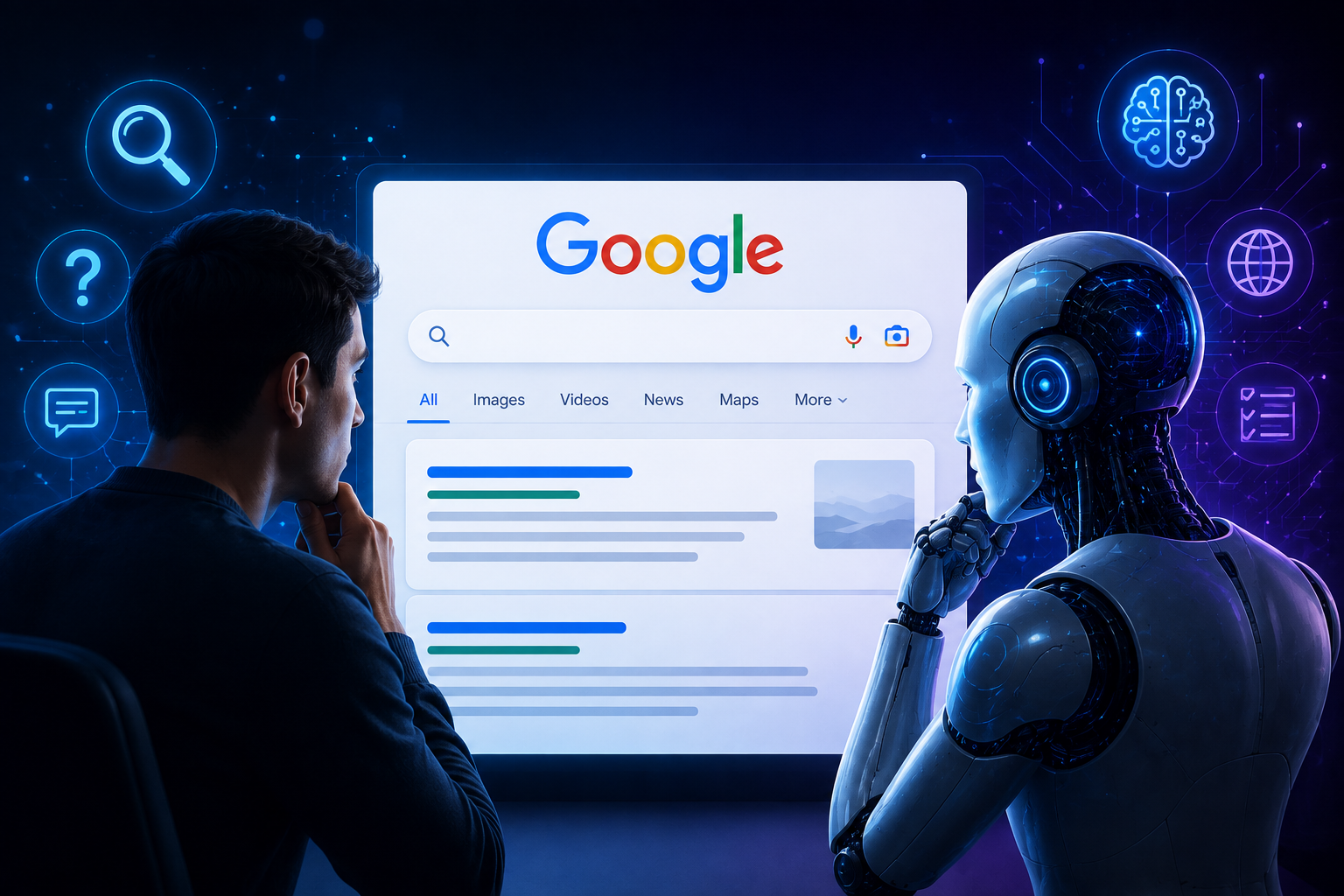
People are increasingly searching using complete questions instead of short keywords. For example, a customer may search for “Which digital marketing company can help a small business generate leads in Bangalore?” rather than simply searching for “digital marketing company Bangalore.”As a result, businesses should create content around questions, problems and customer needs. Helpful service pages, detailed FAQs, location-based content and informative articles can make a website more useful for both customers and search engines.At the same time, businesses should continue focusing on technical SEO, website performance, internal linking, structured content and authoritative information. AI search does not mean traditional SEO is disappearing. Instead, SEO is becoming broader.
Short-Form Video Is Becoming a Major Discovery Channel
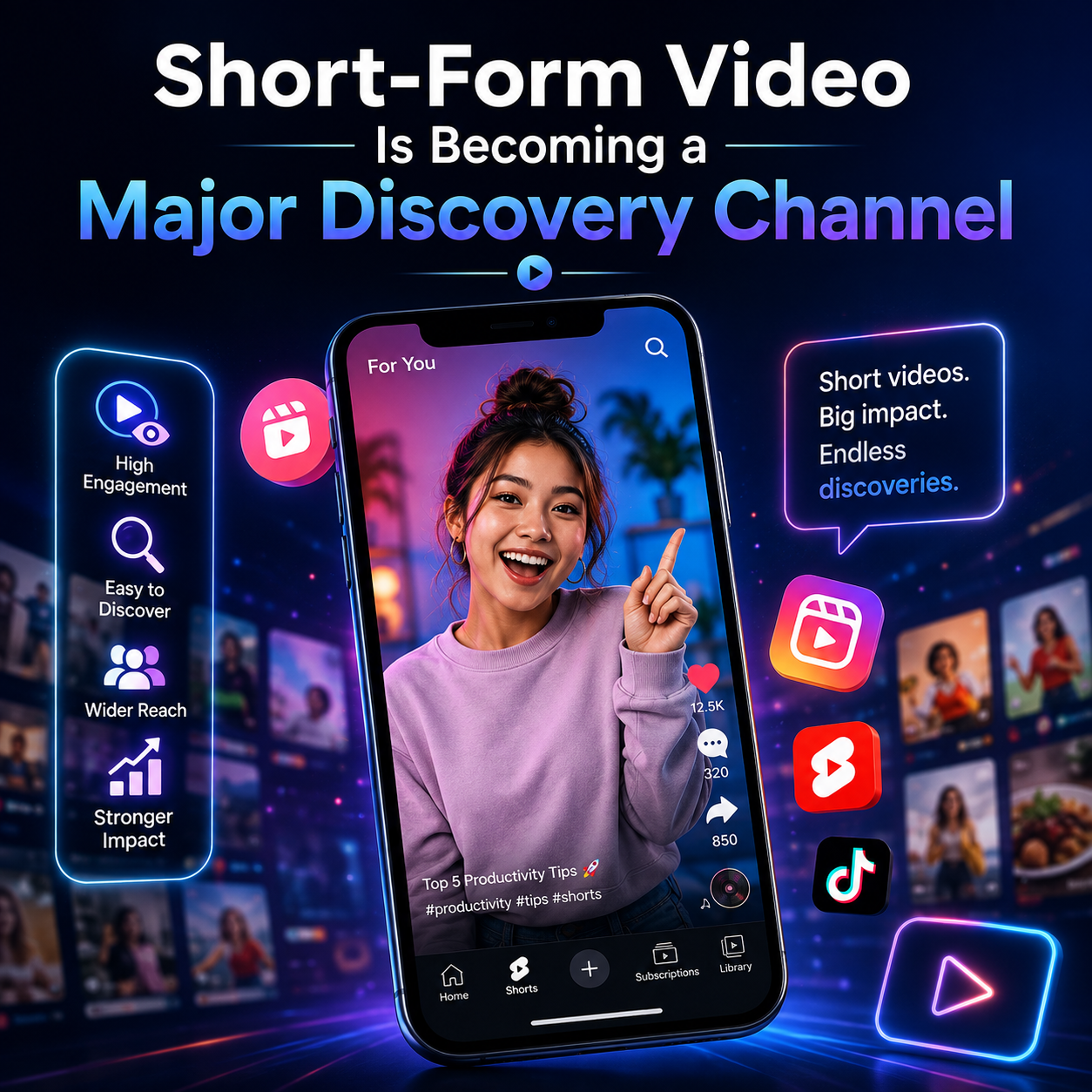
Video continues to play an important role in digital marketing. Platforms such as Instagram, YouTube and Facebook are making short-form video a major part of content discovery. In India, Meta reports that social media is increasingly influencing product discovery and that short-form video and creators are reshaping how consumers discover products and brands.Therefore, businesses should not treat social media as simply a place to publish promotional posters. Instead, brands can use short videos to answer customer questions, demonstrate products, explain services, share behind-the-scenes content and build trust.For example, a real estate company can create a short video showing a property walkthrough instead of posting only a static “Property Available” advertisement. This makes the content more engaging and easier for potential customers to understand.
Social Media Is Moving From Awareness to Sales
Social media is becoming more connected to the customer journey. A person can discover a business through a Reel, visit its profile, read reviews, send a WhatsApp message and eventually make a purchase without following a traditional website-first journey.Consequently, businesses need to think beyond likes and followers. The real objective should be to turn attention into enquiries, conversations and customers. Content, paid advertising, messaging and landing pages should therefore work together.
WhatsApp and Conversational Marketing Are Growing
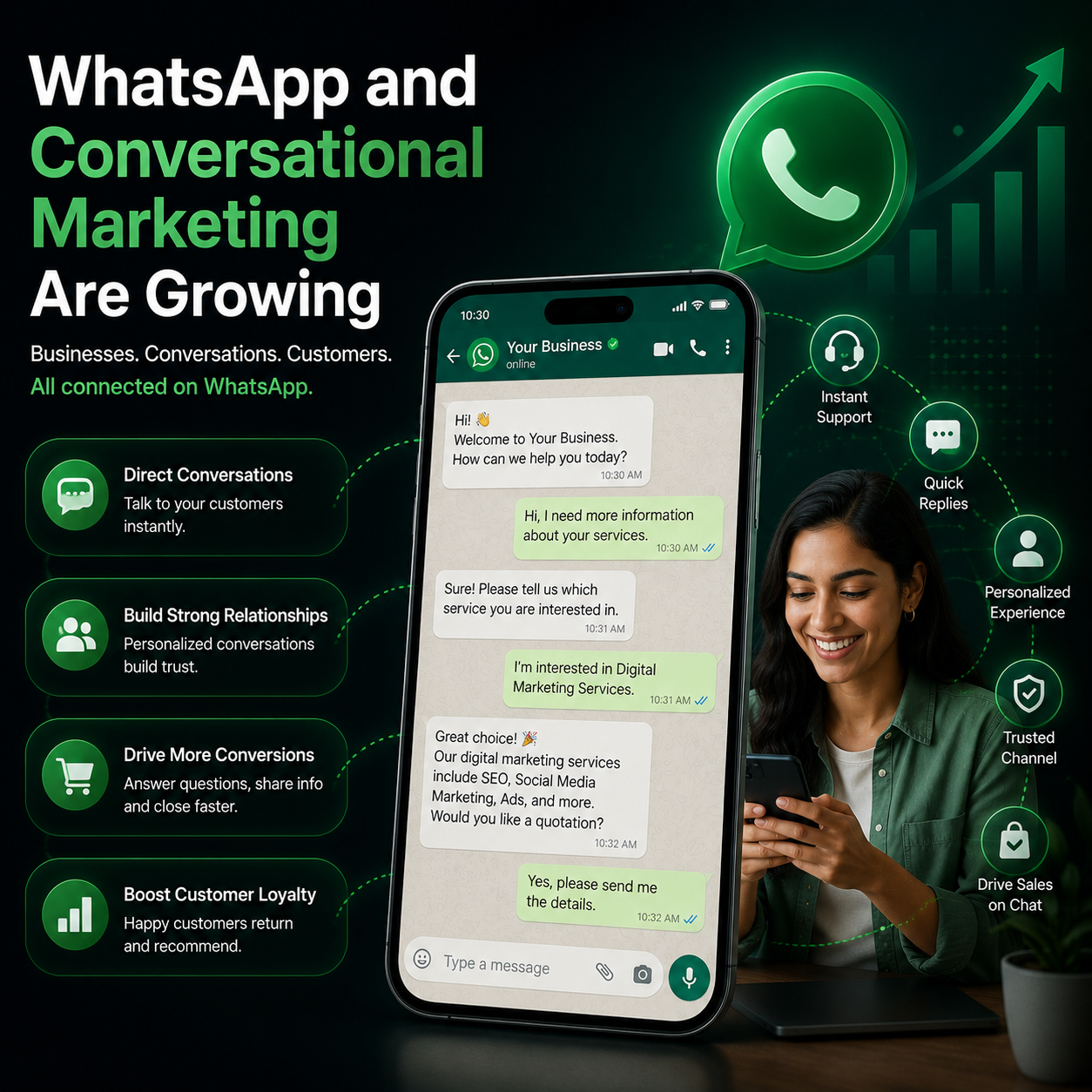
Messaging is becoming an important part of digital marketing, particularly for businesses in India. Customers often prefer sending a WhatsApp message before making a purchase or requesting a service. This makes conversational marketing especially useful for local businesses and service-based companies.Instead of sending customers through a complicated journey, businesses can use WhatsApp to answer questions, share product information, provide quotations and follow up with potential customers. In addition, Meta highlights messaging as an increasingly important part of India's digital commerce journey.

First-Party Data Is Becoming More Important
Another important digital marketing trend in 2026 is the growing importance of first-party data. Businesses need to understand their own customers instead of depending entirely on data from external platforms.Website enquiries, customer forms, email subscriptions, CRM information and direct conversations can help businesses build stronger customer relationships. Moreover, first-party data can help marketers understand which campaigns are generating meaningful leads and which ones are simply generating traffic.Therefore, businesses should focus not only on attracting visitors but also on building permission-based customer relationships.

Content Quality Matters More Than Content Quantity
AI has made content creation much faster. However, producing more content does not automatically produce better results. Since businesses can now generate large amounts of content quickly, genuinely useful and original information becomes even more valuable.Google continues to emphasise quality and original content within its evolving AI-powered Search experience.For this reason, businesses should create content based on real customer questions and first-hand expertise. Instead of publishing ten generic articles, a company may achieve better long-term value from a smaller number of detailed articles that genuinely help its audience.

Personalization Is Becoming a Marketing Advantage
Customers increasingly expect businesses to understand their needs. AI and customer data are making it easier for marketers to personalise messages, recommendations and advertising.For example, an e-commerce business can show different product recommendations based on customer behaviour. Similarly, a service company can create different landing pages and campaigns for different customer segments. As a result, marketing becomes more relevant and can improve the overall customer experience.

Google Ads Is Becoming More AI-Driven
Paid advertising is also becoming increasingly automated. Google is introducing AI-powered tools across its advertising ecosystem to help marketers with campaign optimisation, recommendations, measurement and customer discovery.However, automation does not mean businesses should simply launch campaigns and leave them running. Instead, marketers need to provide strong creative assets, accurate conversion tracking, relevant landing pages and clear campaign objectives. Consequently, strategy and measurement remain just as important as the technology behind the advertising platform.

Local Digital Marketing Is Becoming More Important
For local businesses, visibility within a specific city or service area can be more valuable than competing for broad national keywords. Customers often search for businesses near them when they need immediate products or services.Therefore, businesses should pay close attention to their Google Business Profile, local SEO, reviews, location-specific website content and consistent business information across online platforms. Combined with useful local content, these activities can help businesses become more visible to customers who are ready to take action.
The Future of Digital Marketing Is About Integration
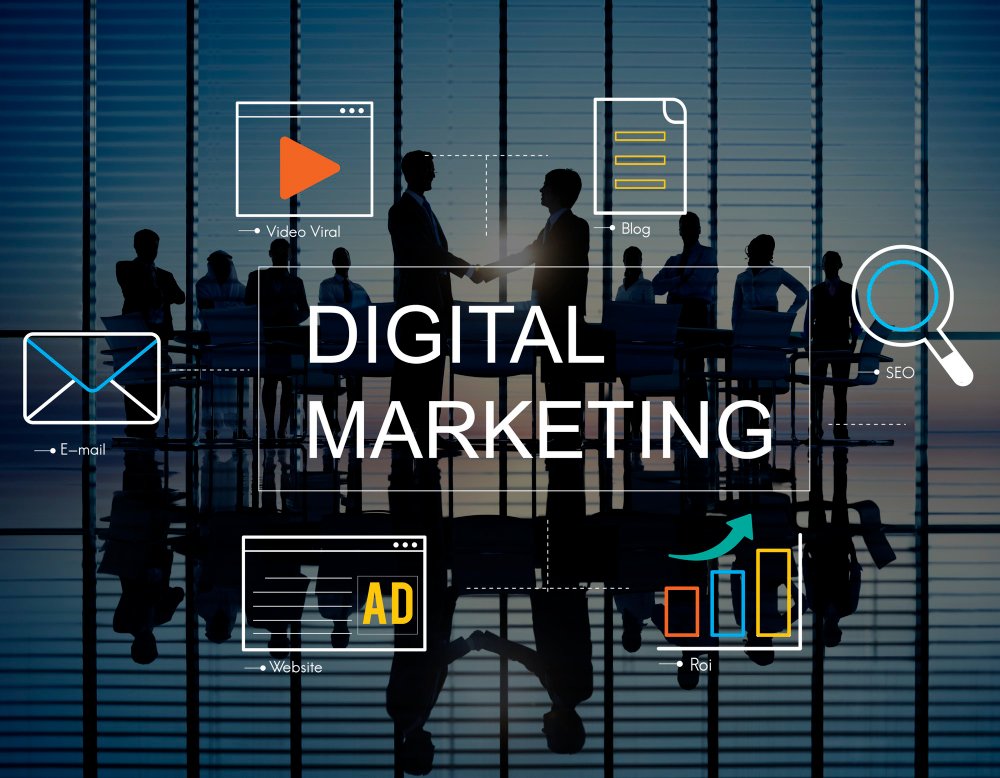
The biggest lesson from the digital marketing trends in 2026 is that individual channels cannot work in isolation. SEO can bring organic traffic, Google Ads can capture high-intent searches, social media can create awareness, content can build trust and WhatsApp can turn enquiries into conversations.Therefore, businesses need an integrated digital marketing strategy. The goal is not simply to generate more impressions or clicks. Instead, the goal is to create a complete journey from discovery to engagement, enquiry and conversion.